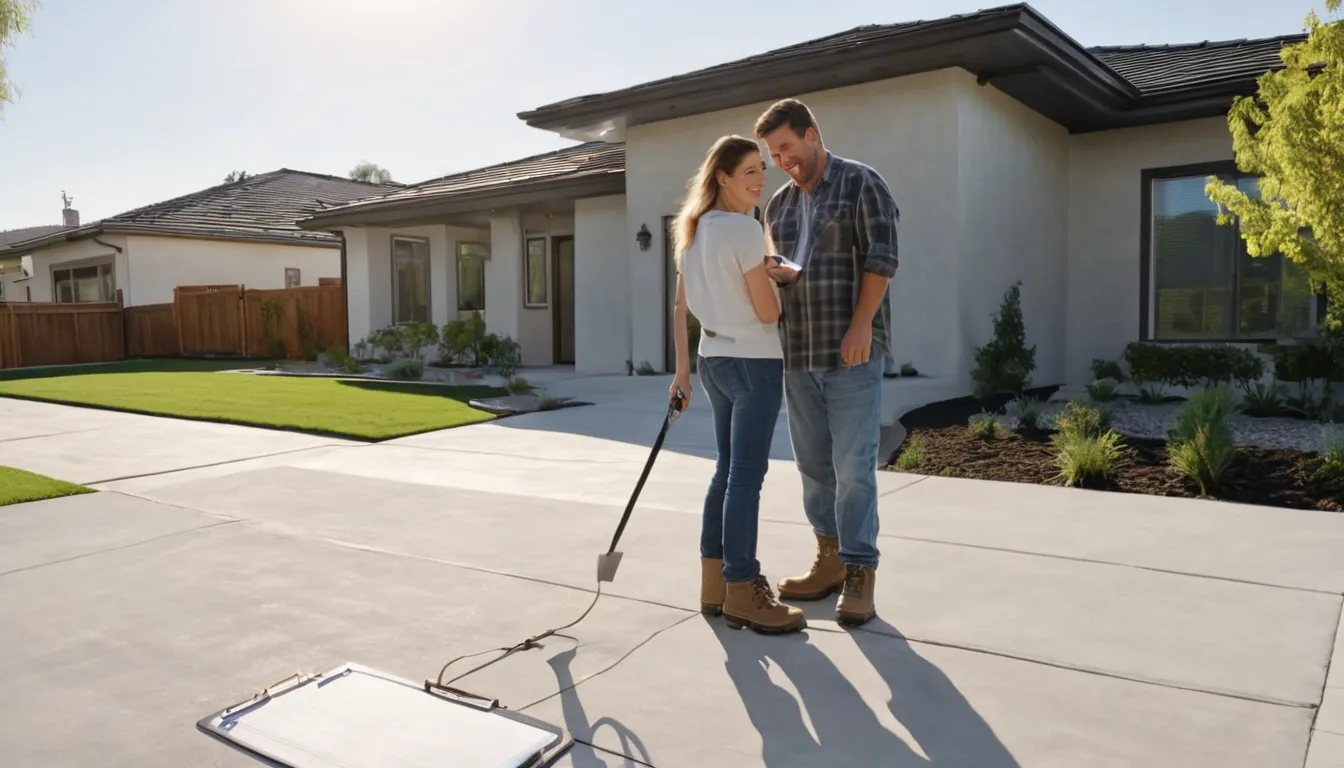
A new slab is a big, good decision
A new driveway or patio is a big step. It is also a good one. You get a clean, flat surface that works hard for years, and it can change how your home looks and feels.
If you are not sure where to begin, that is normal. Most people have the same few questions. How thick should the slab be? Should the patio be plain or stamped? What does a fair price look like?
Churchstated Concrete is a referral service. It does not pour concrete. It connects homeowners in Livermore and the Livermore area with independent local providers who handle new concrete driveways, patios and stamped concrete.
The idea is simple. You talk with a provider or two. You ask your questions. You compare what each one suggests, in writing, at your own pace. Then you decide, or you decide to wait. There is no obligation either way.
Take a breath. You do not need the whole plan figured out first. Start with what you have in mind, and the rest tends to fall into place.
Would you rather talk it through? Request a callback to check provider availability and ask what your project might involve.
How It Works
What Churchstated Concrete actually is
Think of it as a helpful introduction. You tell us what you are planning, and we point you toward independent concrete providers in your area. That is the whole job.
Who does the work
A local provider does the work, not Churchstated Concrete. Each provider runs its own business, sets its own prices and decides which jobs to take. Providers in our network focus on concrete flatwork such as driveways, patios, walkways and pads.
Why comparing helps
Two estimates for the same driveway can look very different. One may include removal of the old surface, base prep and control joints. Another may not. When you see them side by side, the gaps become easy to spot. Ask each provider to put the scope in writing.
What this service is not
This site is for new concrete projects. If you are chasing a leak, a sinking floor or a shifting wall, you likely need foundation repair experts, and that is a different kind of call. If an older slab is simply worn out, a provider can talk you through replacing it.
No pressure, ever
You can ask for a quote and still say no. You can wait a season. You can come back with new questions. Good projects usually start with a calm conversation, not a rushed signature.
Serving Livermore and nearby
Homes in Livermore and the Livermore area come in many shapes. You may have a stucco ranch on a slab, an older bungalow on a raised foundation, or a tract home built sometime between the 1950s and 1980s. Each one has its own quirks.
The weather matters too. Long dry seasons can bake a slab, and winter rain events test how well water drains away. Smoke seasons leave dust and ash on outdoor surfaces. Near the coast, temperatures stay mild, which many people find easier for planning a pour.
Providers in our network know these local patterns. They can tell you how thick a slab should be, where water should run, and how to prep the ground under older homes. Ask them how the site, the soil and the season affect your concrete flatwork.
If you are not sure your address is covered, just ask. A provider can tell you whether they work in your neighborhood.
You can also send a request for an estimate and let a local provider reach out when it suits you.
Simple things to know before you start
Small signs on an old slab
Hairline cracks, a patch that holds puddles, or a corner that has started to crumble are early signs. They are easy to ignore. They are also useful, because they tell you the slab is getting tired.
Repair or replace?
Some people start by searching for concrete driveway repair. A patch can make sense for a small problem. When cracks are wide, spread out or uneven, many homeowners compare a patch with a fresh pour. Ask a provider to explain both options plainly.
Watch the water
Most slab trouble starts with water in the wrong place. Look at where rain runs after a winter storm. If it pools near the house or under a patio edge, mention that when you ask for a quote.
Picking a finish
Plain broom finish is simple and grippy. Exposed texture adds character. Stamped concrete patios can look like stone, brick or wood without the upkeep. Think about how you will use the space, then pick the look.
Questions worth asking
- What is included in the price?
- How thick will the slab be, and what is under it?
- How will the old surface be removed?
- How long before I can walk or park on it?
- What does the written quote cover?
Timing and weather
Concrete needs the right conditions to cure well. Very hot dry days and heavy rain both cause trouble. A provider can suggest a good window for your area and tell you what to expect.
When it is not a concrete job
If doors stick, floors slope or you see cracks inside the home, you may need foundation repair experts first. Sort that out before you pour anything new beside the house.
Costs, in plain terms
Typical U.S. prices vary a lot by size, prep, finish and access. Treat any number you read online as a rough guide. A written quote for your own yard is the only number that counts.
Take your time
You do not need to decide on the first visit. Compare, sleep on it, and choose when it feels right.
Start When Ready
You can begin with a question. Tell us what you are planning, such as a wider driveway, a back patio or a stamped finish, and a local provider can follow up with next steps.
Asking is easy and there is no obligation to hire. Compare what you hear and take the time you need.
Prefer to speak with someone? Request a callback to check provider availability for your project.